The bed is not merely a place to rest; it is a stage where texture, light, and color converge to tell a story about daily life. In the realm of interior fashion and sleep wellness, fabric choices do more than keep us warm or cool—they encode atmosphere, influence posture, and modulate the intimate rituals that color our nights. This guide blends design language with practical textile science to help readers select textures, weights, and fiber contents that align with climate, skin sensitivity, and sleep goals.
At its core, bedding fabrics operate in three dimensions: tactile sensation, thermal behavior, and performance under use. The touch of a sheet, the way a quilted pad feels under the hand, or how a pillowcase glides against the skin all contribute to a sense of calm on a pillow, and a calm night yields deeper, more restorative sleep. We’ll walk through the most common fabrics—cotton, linen, wool blends, and synthetic blends—while also noting how weave, weight, and finish modify warmth, moisture management, and care. Along the way, we’ll weave in design considerations—how texture interacts with color, light, and space—to help you curate a sleep environment that feels both stylish and restorative.
1) A quick tour of bedding fabrics
Cotton remains the workhorse of bed linens: breathable, versatile, and easy to care for. A percale weave yields a crisp hand and a cooler feel, while a sateen weave offers a smoother, more lustrous surface. For summer warmth, a lighter cotton or cotton-blend sheet can feel nearly air-like; for winter, a higher thread count cotton sateen or a cotton-flannel can embrace the skin with a soft, enveloping warmth.
Linen, a celebrated companion to warm climates, brings a natural breathability and a casual, textured hand. Its tendency to soften with use and its excellent moisture-wicking properties make linen a stylish ally for hot sleepers. However, linen’s slightly higher wrinkling factor and its distinctive drape are part of its character—an aesthetic choice as much as a functional one.
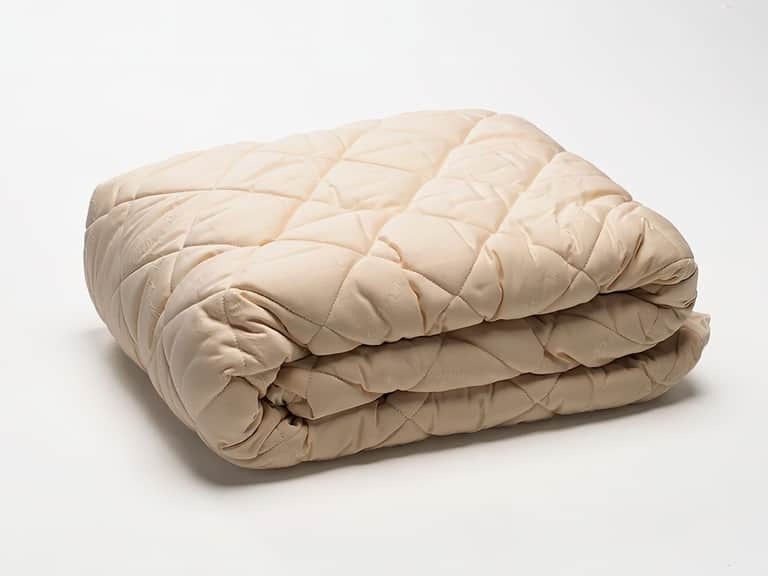
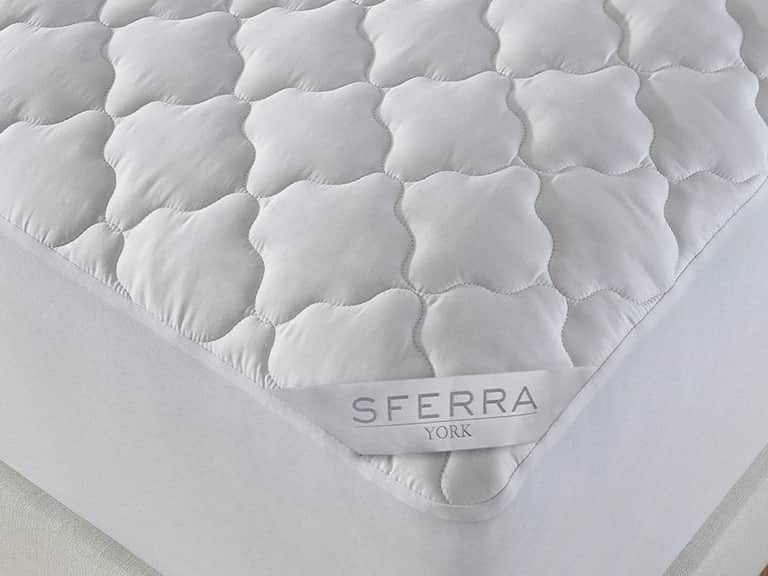
Wool blends and wool-rich pads present a nobly unconventional path to sleep comfort. Merino or other fine wools can regulate temperature while offering natural moisture management. A wool-blend mattress pad or top layer can feel plush without overheating, creating a sleep surface that’s both luxurious and practical.
Synthetic blends—such as cotton-poly or microfiber—offer durability, easy care, and often enhanced moisture management. They frequently serve as everyday workhorses, especially in households with busy laundry cycles. But the trade-off can be a different hand feel and, for some, reduced breathability compared to natural fibers.
2) Fabric weights, weaves, and sleep climate
Weight matters. A lighter fabric may feel cooler on the skin and respond quickly to body heat, while a heavier fabric can feel more insulating and cocooning. The right weight depends on climate, bedding layering, and personal comfort thresholds. For mixed climates, layering becomes a strategy: a lighter top sheet, a mid-weight duvet, and a breathable blanket for evenings that swing between cool and warm.
Weave is the silent architect of texture and temperature. Percale’s tight, crisp weave tends to produce a cooler feel and a matte surface. Sateen’s satin-like surface offers a smoother, warmer feel. For towels and pillowcases, the question of weave translates into how quickly moisture evaporates and how skin glides across the surface. Linen weaves offer natural air channels and a breezy tactile profile, which is ideal for warm sleepers who crave a natural surface with character.
Finishes—such as enzyme washes, mercerization, or wrinkle-resistant coatings—alter tactile impressions and care requirements. A mercerized cotton sheet, for instance, gains luster and strength yet may feel less fuzzy to the touch than a traditional cotton. Finishes should be selected with both aesthetics and skin sensitivity in mind.
3) Fiber content and skin sensitivity
For sleepers with sensitive skin, organic cotton, or cotton with GOTS (Global Organic Textile Standard) certification, offers greater assurance of purity. Organic fibers are often softer against the skin and reduce exposure to certain glazes or chemical residues from processing. Silk and wool blends can offer hypoallergenic qualities as well as breathable warmth, though maintenance and care should be considered.
Silk, when used as a top-layer or in a limited capacity, provides a luxurious feel and moisture-wicking properties that can transport humidity away from the body. Silk pads and toppers—such as silk mattress pads—offer a lightweight cushion while contributing to temperature regulation. Natural fiber blends combine the benefits of different materials: the coolness and breathability of cotton with the moisture-handling properties of wool, or the crispness of linen with the durability of synthetic fibres.
4) Design-focused considerations: color, texture, and lighting
Beyond true textile science, textiles are a key instrument in mood creation. A calm sleep environment benefits from a restrained color palette and tactile layers that invite touch, without creating visual clutter. Texture interacts with light: a soft, matte cotton reflects light differently than a sateen or a linen weave. The interplay of texture and color can be leveraged to craft a room that reads as serene and deliberately styled.
Mood boards, swatches, and fabric samples become a language. For a design-forward bedroom, consider a palette drawn from natural fibers: creamy whites, warm beiges, soft stone grays, and subtle taupes. Introduce contrast through texture rather than color—linen sheets with a matte surface paired with a sateen duvet, or a wool-blend topper that lends a tactile richness to the surface.
5) Quick-reference checklists for shopping
- Seasonal strategy: For summer, opt for lighter weights (around 120-180 gsm for sheets; lower thread counts can feel cooler). For winter, choose mid-weight to heavyweight fabrics (like 200-350 gsm with a warmer weave such as a simple cotton sateen or flannel).
- Skin sensitivity: Prioritize organic cotton or certified fabrics with minimal processing. Look for GOTS or Oeko-Tex certification.
- Texture pairing: Pair a textured top sheet (linen or a linen-cotton blend) with a smoother duvet cover (cotton sateen) to balance tactile experiences during the night.
- Care and durability: Assess washing instructions and colorfastness. Some blends and silks require delicate handling; others are machine washable with standard cycles.
- Temperature regulation: For those who run hot at night, prioritize breathable materials and open-weave fabrics, as well as moisture-wicking finishes.
6) A design-forward sleep experience: case studies
The design-forward approach to bedding isn’t only about the fabric itself—it’s about how fabric interacts with the room. Consider a bedroom that uses a restrained color palette with a focus on texture: a linen sheet in a soft ivory, a cotton sateen duvet, and a wool-blend mattress pad for a touch of warmth and luxury. The room’s lighting, rug choice, and window treatments complete the sensory equation.
In practice, a well-curated bed can feel both editorial and comfortable. The goal is to build layers that work together to regulate temperature, provide comfort, and please the eye. It’s a delicate equilibrium between function and fashion—an editorial argument for why textiles deserve serious consideration in the design of our most intimate spaces.
7) Practical takeaways for readers
The fabrics you choose matter: they influence warmth, humidity, and sensory comfort. The weave and finish affect how the surface feels and how it performs with washing and wear. The fiber content can shape skin tolerance, temperature regulation, and long-term durability. The design goal is to create a soothing, cohesive environment where the texture and color harmonize with the lighting, furniture, and artwork in the room.
The Bedding Fabrics and Sleep Quality guide is a starting point for thoughtful decision-making. It invites readers to consider not just the function of a sheet or pillow cover, but the story they want to tell with their sleep environment—how it looks, how it feels, and how it supports restful nights.
8) Product vignette: Savvy Rest Unity Pillowtop Latex Mattress
Savvy Rest Unity Pillowtop Latex Mattress — an example of how texture, layering, and material science cohere into a sleep surface that is both luxurious and adaptable.
The Unity Pillowtop combines four layers of latex: a Dunlop-based Serenity foundation with a Talalay Harmony topper. The topper adds a plush surface that can relieve pressure points for side sleepers, while the core structure supports spinal alignment. Its 13-inch height sits as a balanced profile suitable for deep-pocket sheets and many bed frames.

Note: This product illustration demonstrates how a premium fabric and layering combination influences surface feel. The Unity Pillowtop’s organic cotton casing and wool flame barrier illustrate the fusion of comfort with certified materials, a design principle that resonates with the editorial direction of fashionmattress.com.
9) Editorial note on cross-domain inspiration
The fashion-to-bedding conversation is a chance to explore how interior textiles carry the cachet of fashion sensibility into the bedroom. Just as a fashion collection blends silhouette, texture, and color, so bedding textiles blend weight, weave, and fiber to shape the night. This cross-pollination invites readers to see sleep surfaces as design elements—capable of conveying mood, taste, and intention.
10) Conclusion: a design-forward approach to sleep comfort
The fabrics we choose—the materials that touch our skin as we drift toward night—are a conduit for sleep quality and personal style. The guide above is meant to empower readers to make fabric choices that honor both science and aesthetics: fabrics that perform well in climate, skin sensitivity, and daily life, while also enriching the visual and tactile experience of the bedroom. In the end, a well-edited bed becomes more than the sum of its parts; it becomes a trusted stage for rest, reflection, and the subtle rituals that mark the end of each day.